
The Social Dynamics of Board Games and Critical Thinking
Judi Bola serves as a powerful catalyst for developing critical thinking skills, providing players with an engaging environment where analytical reasoning can flourish. When participants immerse themselves in gameplay, they are often faced with complex scenarios that require them to evaluate options, anticipate outcomes, and make informed decisions. This dynamic process encourages players to think critically about their strategies and the actions of their opponents, fostering a mindset that values logical reasoning and thoughtful analysis.
Many board games demand strategic planning and resource management, compelling players to assess their goals and devise plans to achieve them. As players navigate the game’s mechanics, they learn to identify patterns, weigh risks, and consider multiple perspectives. This multifaceted approach to problem-solving enhances their ability to analyze situations comprehensively and develop effective solutions. The necessity to adapt strategies based on opponents’ moves further sharpens these skills, as players must remain vigilant and responsive to changing circumstances, honing their ability to think on their feet.
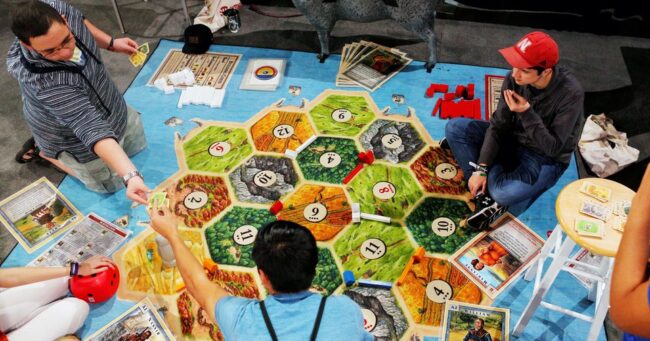
Collaboration and communication are also integral components of many board games, facilitating the development of critical thinking in a social context. Players often engage in discussions and negotiations, requiring them to articulate their thoughts clearly and listen actively to others. This exchange of ideas promotes an environment where diverse viewpoints are considered, enhancing players’ ability to evaluate information critically. Through these interactions, individuals learn to defend their positions, challenge assumptions, and engage in constructive debate, all of which are essential elements of critical thinking.
Moreover, the competitive nature of board games adds another layer to the development of critical thinking skills. The desire to win often drives players to analyze their opponents’ strategies, prompting them to think critically about not only their own moves but also the motivations and tactics of others. This awareness fosters a deeper understanding of strategic thinking, as players learn to anticipate challenges and devise counter-strategies.
Ultimately, board games provide a rich and enjoyable platform for cultivating critical thinking skills. Through strategic planning, collaborative communication, and competitive analysis, players develop the ability to think critically and make informed decisions. The skills honed during gameplay extend far beyond the game board, equipping individuals with the cognitive tools necessary to navigate complex challenges in their everyday lives.
…